Christmas Olive Gifts: UK Delivery and Pairing Ideas
October 07, 2026 - Gifts

October 07, 2026 - Gifts
October 06, 2026 - Gifts
October 02, 2026 - Pantry

September 30, 2026 - Recipes

You do not need a blue tasting glass or a printed scorecard to work out whether the olive oil on your shelf is still worth pouring over a salad. Your nose and your tongue will do most of the work. The rest is a little patience, a handful of kitchen props and something plain to nibble on between sips.
Tasting at home is not about catching every note a professional taster would list. It is about answering three practical questions: does this oil smell alive, does it taste of anything, and would you happily serve it to someone whose opinion you value?
Two things skew a tasting more than anything else: cold oil and a distracted palate. Take the bottle out of the cupboard half an hour before you plan to taste it, and avoid doing this straight after coffee, mint tea or anything spicy.
You will need:
If you are comparing two bottles, label them underneath so you are not guessing, and pour no more than a tablespoon into each glass.
Warm the glass in your palm for twenty seconds, cover it with your other hand, then lift the hand and sniff. What you are looking for is recognition: something that reminds you of a plant rather than a bottle.
Cut grass, green tomato leaf, artichoke, rocket, fresh herbs, raw almond, and sometimes a faint note of banana skin or green apple in riper oils. A slight catch in the nose, like a mild peppery tickle, is a good sign. It usually means the fruit was picked early enough to keep its character.
Crayon or putty, wet cardboard, a muddy pond, old walnuts, sour milk, nail varnish. And the quieter warning: nothing at all. An oil that smells simply of "cooking oil" has usually lost whatever made it interesting.
Trust the first impression. If you have to hunt for a positive aroma, it probably is not there.
Now the part most people skip. Take a small sip — half a teaspoon is plenty — hold it at the front of your mouth, and draw air in over your tongue as if you were sipping hot soup. This spreads the oil across your palate and pushes the aroma up the back of your nose. Then swallow.
A fresh, well-made oil will often produce a peppery catch at the back of the throat, sometimes strong enough to make you cough. That catch is the thing many people mistake for a fault, when it is usually a sign of an oil with plenty of life left in it. It should fade within a minute or so, and leave you ready for another taste rather than reaching for water.
Notice how long the flavour lingers, too. A good oil leaves a clean, green trace for a minute or more. An oil past its best tends to vanish immediately, or worse, leaves a waxy, slightly stale coating on the roof of your mouth.
Plenty of people reject perfectly good oil because it is bitter. Bitterness in olive oil usually reflects olives picked early, while the fruit is still green and firm, which makes it a matter of style rather than quality. You will feel it along the sides of the tongue and at the back of the throat.
The useful distinction is between bitterness and harshness. Bitterness is clean, vegetal and slightly astringent — it puts you in mind of chicory or grapefruit peel. Harshness is rougher, more chemical, and hangs about unpleasantly. The first is a feature of robust oils that stand up to grilled vegetables and hard cheese. The second belongs at the back of the cupboard for frying, or in the bin.
A simple rule: if you enjoy the oil on a plain tomato with a pinch of salt, it is doing its job. If it only works when heavily diluted, buy something milder next time.
Run through this list before you blame your cooking. Every one of these is a fault, not a quirk.
Rinse your palate with water or plain bread between samples, and taste the milder oil first so the stronger one does not drown it. Then ask four questions:
Three or four yeses and you have a bottle worth keeping on the table. If it fails two or more, use it for roasting and buy your next one from a shop or producer that prints a harvest date on the label.
Taste a new bottle the week it arrives, while you can still remember what you paid and where it came from. Write the month and year on the label or the cap. Keep the bottle dark, cool and well sealed, away from the hob, and never decant it into a pretty clear bottle on a sunny windowsill — light and heat are the two things that age olive oil fastest.
After a couple of months, taste it again. Many oils soften and lose their sting over time, which is a change in character rather than a fault. When the flavour goes flat or turns waxy, retire the bottle to the frying pan and start again. A checklist you actually use twice a year is worth more than a shelf of oils you never quite get round to testing.
Photo: Kate / Pexels
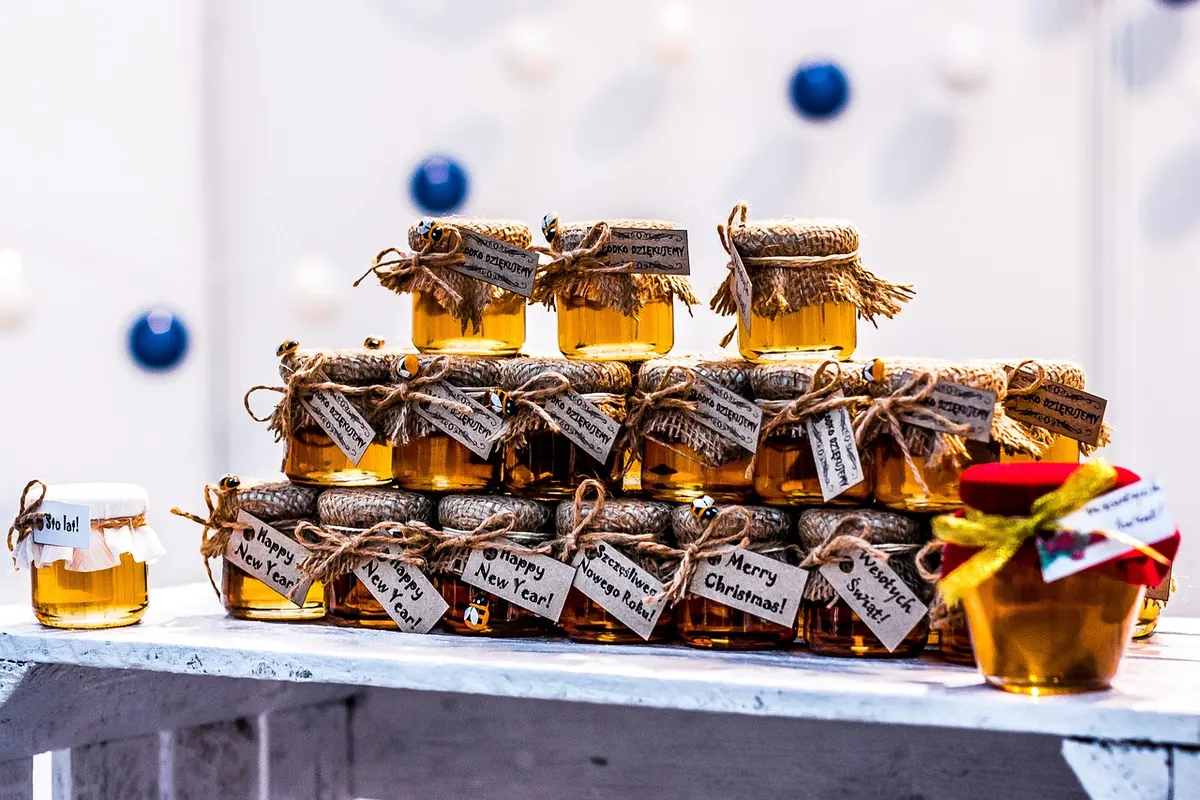
A seasonal guide to choosing olive oils, olives and hampers as Christmas gifts, with practical UK delivery timing,...
A practical guide to buying or building an olive-themed hamper in the UK, from choosing oils and table olives to...
October 07, 2026 - Gifts
October 06, 2026 - Gifts
October 02, 2026 - Pantry
Copyright © 2026 Olive Shelf. All Right Reserved.