Christmas Olive Gifts: UK Delivery and Pairing Ideas
October 07, 2026 - Gifts

October 07, 2026 - Gifts
October 06, 2026 - Gifts
October 02, 2026 - Pantry
September 30, 2026 - Recipes
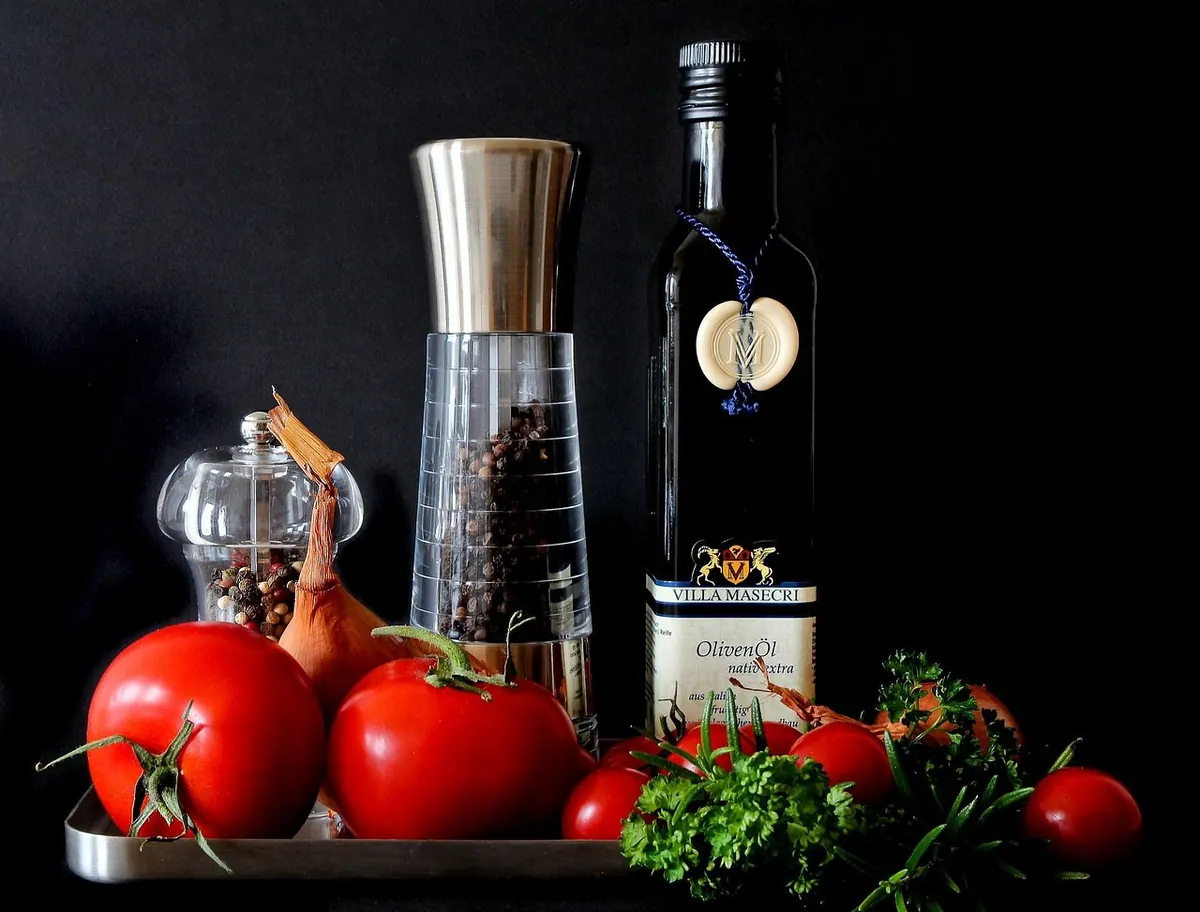
Walk into most kitchens and you'll find the same scene: a bottle of olive oil sitting next to the hob, half full, slightly tacky around the neck, bought at some point last year. It's the workhorse of the cupboard, which is exactly why it gets treated so casually. The oil is usually fine. The habits around it often aren't.
Most of the trouble comes down to three things — heat, storage and grade — plus a handful of small assumptions that cost flavour rather than money. None of them are difficult to fix. Here are the ten that come up most often, with the practical answer attached to each.
Extra virgin olive oil starts to smoke somewhere around 190°C, and once it does, the flavour turns hard and acrid. That bitterness doesn't cook off; it goes straight into the food. A faint shimmer across the surface is what you want. A thin haze of smoke and a sharp, tickling smell at the back of your nose means you've gone past it.
The fix is mostly about attention. Heat the pan over medium rather than maximum, add the food as soon as the oil shimmers, and keep an eye on thin-based pans — they spike in temperature far faster than a heavy frying pan. If the oil does smoke, don't carry on. Take the pan off the heat, let it cool a little, wipe it out and start again. Two minutes lost beats a whole dish tasting like a burnt match.
Remember too that wet ingredients drop the temperature the moment they hit the pan. Onions straight from the fridge will calm a hot pan down almost immediately.
"Olive oil" on a label covers a wide range, and the grades don't behave the same way in a pan. Extra virgin is the least processed and the most flavoured. Refined olive oil — often sold simply as "olive oil", "classic" or "light" — is milder and more heat-tolerant. Pomace oil is a lower grade extracted from the leftover paste, best kept for jobs where the oil itself is incidental.
One clarification worth holding on to: "light" refers to flavour and colour, not calories. It's still oil, with the same energy content as any other.
You don't need a cupboard full. Two bottles, used for the right jobs, will outperform six bought on impulse.
This one comes up constantly. Extra virgin olive oil is roughly three-quarters monounsaturated fat and carries antioxidants that make it reasonably stable under heat, so it's perfectly capable of pan-frying, shallow-frying and roasting. What it won't do is sit at very high temperatures for a long stretch the way a refined oil will. For a long, hot deep fry, a refined grade is the simpler choice. For a chop, a piece of fish or a tray of potatoes at 200°C, extra virgin is fine and tastes better.
Oil ages. Not in a dramatic, unsafe way — it goes stale, and eventually rancid, losing the fresh peppery character that made it worth buying. A bottle kept on a sunny windowsill or on the shelf right above the hob will fade within weeks. So will one left open, or decanted into a pretty clear glass bottle for the table.
A small bottle for daily use, refilled from a larger one kept in the dark, is the easiest system. If you like a pourer on the counter, make it a small one you'll finish within a few weeks.
Olive oil is a fresh product, closer to fruit juice than to vinegar. It doesn't improve with age, and a three-litre tin bought with good intentions can be dull by the time you reach the bottom. Unless you cook for a crowd every day, buy in sizes you'll finish within a few months.
When you're choosing, look for a harvest date rather than only a best-before date. A bottle pressed recently will taste livelier than one that has spent two years in a warehouse. If both are printed, buy the newer one.
Colour tells you about the olive variety and how ripe it was when picked, not about quality. A deep green oil isn't automatically better than a golden one, and a bright, clear bottle in a shop window is no guarantee of anything except that it has been sitting in the light. Plenty of excellent oils are quite pale.
Pour a little into a spoon and sip it. Good olive oil tastes fresh — grassy, artichoke-like, sometimes peppery enough to catch the back of your throat, sometimes gently fruity. If it tastes flat, waxy or like old nuts, don't build a dish around it. Use it up in a cake or a roast where the flavour won't be centre stage, and buy fresh for the salads.
Plenty of kitchens treat olive oil purely as something to stop food sticking. That wastes the best thing about it. Heat flattens the aromatics that make a good oil distinctive, so the place it shines is often at the end rather than the start.
The same principle applies to quantity. A thin, even coating browns food; a pool of oil steams it. For dressings, start with three parts oil to one part acid and adjust — sharper for bitter leaves, softer for sweet ones.
None of this needs new equipment or a bigger budget. Move the oil away from the hob and out of the light. Buy smaller bottles with a recent harvest date. Keep one flavourful extra virgin and one mild oil, and taste them now and then so you know what you're cooking with. Warm the pan gently, add food before the oil starts to smoke, and save a little of the good bottle for the end.
Do those things and you'll notice the difference in something as plain as a plate of fried eggs or a tomato salad. Olive oil rewards a bit of care more than almost anything else in the cupboard.
Photo: Anelka / Pixabay
A seasonal guide to choosing olive oils, olives and hampers as Christmas gifts, with practical UK delivery timing,...
A practical guide to buying or building an olive-themed hamper in the UK, from choosing oils and table olives to...
October 07, 2026 - Gifts
October 06, 2026 - Gifts
October 02, 2026 - Pantry
Copyright © 2026 Olive Shelf. All Right Reserved.