Christmas Olive Gifts: UK Delivery and Pairing Ideas
October 07, 2026 - Gifts

October 07, 2026 - Gifts
October 06, 2026 - Gifts
October 02, 2026 - Pantry
September 30, 2026 - Recipes
Walk into a good deli and you will meet a row of tubs that look almost identical and taste nothing alike. Kalamata, Manzanilla, Nocellara: three names you have seen a hundred times, three completely different olives. Buy by name alone and you may come home with soft, salty bullets when you wanted something plump and buttery. Learn these three properly and the rest of the shelf becomes easy to read.
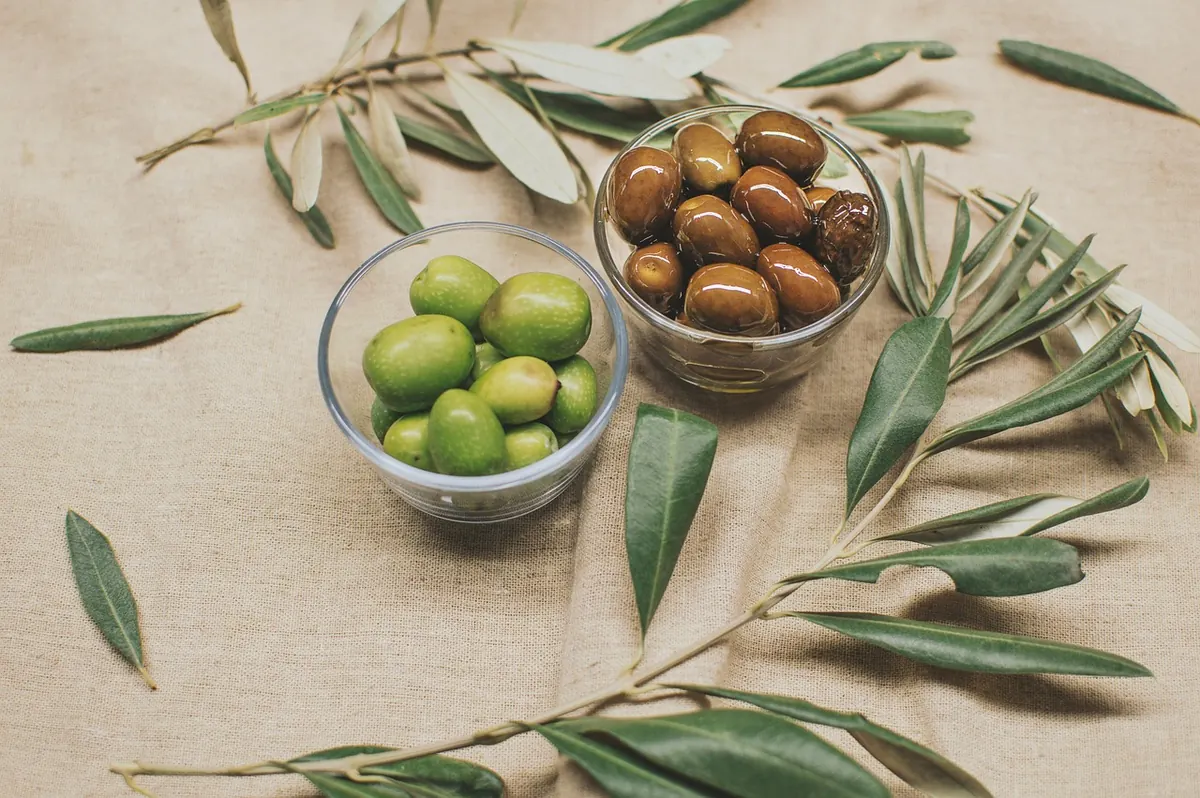
Green and black are not varieties. They are stages of ripeness: a green olive was picked early, a black one was left on the tree to darken and soften. That one fact explains most of what you taste. Green olives tend to be firmer, more bitter and more saline; black ones are softer and rounder.
There is a wrinkle. Many tinned black olives are actually green olives darkened with ferrous gluconate, an approved additive that gives them an even, jet-black look. If you want the real thing, look for uneven purple-brown colour and check the ingredients list.
Variety matters because it sets the olive's shape, flesh and oil content before curing even begins. A Kalamata will never taste like a Manzanilla, no matter how long it sits in brine. Think of the variety as the grape and the cure as the winemaking: both leave fingerprints.
Grown in the southern Peloponnese, Kalamata olives are almond-shaped with a pointed tip, roughly the size of the top joint of your thumb. A ripe one is deep aubergine purple, never truly black, and often glossy with a little olive oil or a splash of red wine vinegar.
Most are brine-cured, and many are slit once or twice with a knife so the brine reaches the flesh faster. The result is firm and meaty, with a stone that slips out easily, and a rich, faintly smoky, decidedly salty flavour.
These are the olives you want with tomatoes, feta, oregano and lamb. Chop them into a tomato sauce with capers, scatter them over roasted peppers, or simply eat them with bread and a glass of red.
One caution: true Kalamata olives are protected by name in the EU, but elsewhere the word is used loosely. If the olives are small, soft and mild, they may be another purple variety altogether. Look for the pointed tip and a deep, winey scent.
Manzanilla means "little apple" in Spanish, and the shape is exactly that: round to oval, medium-sized, with a firm bite. Spain grows them in enormous quantities, which is why they are the olive most often stuffed with pimento and dropped into a martini.
Green Manzanillas are brine-cured and crisp — bite one and it snaps. The flavour is clean and saline with a faint bitter edge at the back. Left to ripen, the same olive becomes a black Manzanilla: softer, milder, and very good on its own.
Pair them with dry sherry, cold beer, anchovies, Manchego, chorizo, or anything involving bread and garlic. Because they hold their shape, they are ideal for a tapas spread.
They are also forgiving. If a recipe calls for "green olives" and does not name a type, a Manzanilla is rarely a bad guess. It brings salt and structure without stealing the scene.
Nocellara del Belice comes from western Sicily, around Castelvetrano, and is often sold under that town's name. It is a big, round, bright green olive — the colour of a Granny Smith apple. The flesh is dense but tender, and the stone is large and easy to remove.
What sets it apart is the cure. Nocellara is typically packed in a mild brine, sometimes with a little lactic acid, rather than the heavy salt or lye treatment used for many green olives. That keeps the bitterness low and leaves a soft, buttery, almost sweet flavour with a gentle vegetal finish.
Eat them plain, the way you would eat a good cheese. They are excellent with sheep's milk pecorino, fresh ricotta, grilled bread, tomatoes, and a crisp white wine. Because they are so mild, they also work in dishes where Kalamata would shout too loudly: a tuna salad, a bowl of pasta with lemon and herbs, or a platter of burrata.
If you have only ever known olives as salty and sharp, a Nocellara is the one to change your mind.
All olives are bitter when picked. The bitterness comes from oleuropein, a phenolic compound that must be removed before the fruit is pleasant to eat. The method used to remove it shapes the final texture and flavour as much as the variety does.
Nocellara is usually a gentle brine cure, Manzanilla is often brine or lye, and Kalamata is almost always brine. That is why the same three olives can feel so different in your mouth.
An olive is not just an olive. The variety is the instrument, the cure is the player, and the brine is the room. Change one and you change the music.
Keep olives submerged in their brine or oil in a clean jar. They will hold for weeks in the fridge, though cold can make olive oil solidify and firm up the flesh. Let them sit at room temperature for twenty minutes before serving; the aromas open up and the texture softens.
If you buy from a deli, use a clean spoon every time and never dip a used fork into the jar. A little contamination can turn the brine cloudy and sour. If the brine runs low, top it up with a simple solution of one teaspoon of salt per cup of water, or with olive oil if you plan to eat them soon.
Serve olives in a small bowl with a second bowl for stones. Add a strip of orange zest, a sprig of rosemary, or a few crushed fennel seeds to the bowl and they will taste more expensive than they are.
Start with these three and you will soon know what you are looking at in any deli. The names on the tubs stop being decoration and start being directions.
Photo: Couleur / Pixabay
A seasonal guide to choosing olive oils, olives and hampers as Christmas gifts, with practical UK delivery timing,...
A practical guide to buying or building an olive-themed hamper in the UK, from choosing oils and table olives to...
October 07, 2026 - Gifts
October 06, 2026 - Gifts
October 02, 2026 - Pantry
Copyright © 2026 Olive Shelf. All Right Reserved.